

Home / Report to stakeholders / Animal wellbeing
Animal wellbeing
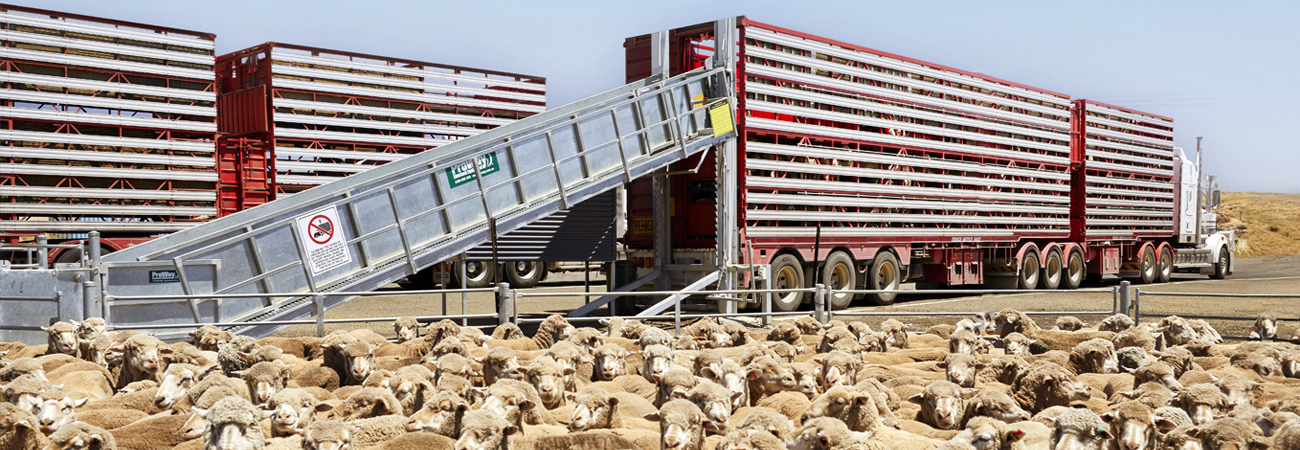
MLA’s investment in animal wellbeing research, development and adoption safeguards Australia’s livestock biosecurity and prioritises the wellbeing and proper care of our livestock. The health and welfare of livestock is inextricably linked to livestock wellbeing, which in turn contributes to industry’s economic and environmental sustainability.
The animal wellbeing program works to reduce the impacts of animal disease through improved diagnosis, preventative measures which rely less on chemicals and more on exploiting livestock’s resilience and immunity and novel treatment options. Investments also contribute to tools and enablers for reducing the impact of disease including disease surveys, decision support tools and epidemiological investigations.
Outcomes
Transport Hub launch
The launch of MLA’s Transport Hub follows significant industry consultation to bring together information on best practice preparation of livestock for transport of sheep, cattle and goats through Australia’s red meat supply chain.
The hub provides supply chain participants with:
- access to best practice guidelines for the transport of livestock by road e.g. how to check if animals are fit to load for their intended journey
- relevant standards, rules and regulations
- the capacity to collect robust national data on the condition of livestock transported domestically.
Over the next 12 months, more resources will be added to the Transport Hub to increase adoption of best practice preparation for livestock transport. The team will also finalise baseline national datasets on livestock condition when being transported domestically.